What Is NOCSAE?
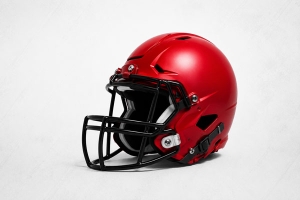 The National Operating Committee on Standards for Athletic Equipment, commonly known as NOCSAE, is an independent standards-development organization focused on athletic equipment and injury prevention. Since its formation in 1969, NOCSAE has developed performance and test standards for equipment used across a variety of sports.
For football, NOCSAE standards establish performance requirements that helmets must meet through laboratory testing. Rather than specifying exactly how a helmet must be designed or manufactured, the standards focus on how the helmet performs when subjected to defined testing procedures.
What Do NOCSAE Football Helmet Standards Measure?
NOCSAE testing evaluates a helmet’s ability to manage impact energy under controlled laboratory conditions. Helmets are subjected to impacts at specified locations and under defined conditions, and their performance is measured against the requirements established by the applicable NOCSAE standard.
A helmet that satisfies the applicable standard may be certified by its manufacturer as meeting that standard. This certification is represented by the NOCSAE seal found on certified football helmets.
It is important to understand what that certification means. No football helmet can prevent every head or neck injury, and NOCSAE certification should not be interpreted as a guarantee that an athlete cannot sustain a concussion or other injury. Instead, the standard establishes a consistent performance threshold that certified equipment is required to meet.
NOCSAE standards provide a common performance benchmark, helping schools and athletic programs make responsible decisions throughout the life of a football helmet.
NOCSAE Standards and Helmet Reconditioning
Football helmets experience repeated impacts, exposure to weather, transportation, storage, cleaning, and general wear over time. Because of this, helmets must be properly inspected and maintained throughout their usable life.
Reconditioning is a structured process in which a used helmet is cleaned, inspected, tested, and serviced as necessary. For helmets that are eligible for recertification, the process also includes testing to determine whether the helmet continues to meet the applicable NOCSAE performance standard.
NOCSAE does not perform helmet reconditioning itself. Recertification is performed by properly licensed reconditioners following the requirements associated with NOCSAE standards and certification programs. Helmets that cannot meet the required criteria should not be returned to play as certified equipment.
Standards Are Only One Part of Helmet Safety
Meeting an equipment standard is important, but it is not the only factor that matters. Proper helmet selection, fit, maintenance, inspection, and use all play a role in how football equipment performs.
Players should wear a helmet that fits according to the manufacturer’s instructions, and equipment should be routinely checked for signs of damage, missing hardware, improper adjustments, or excessive wear. Coaches and equipment managers should also follow manufacturer recommendations and applicable organizational requirements regarding inspection and reconditioning schedules.
NOCSAE standards provide a common performance benchmark. Combining those standards with proper equipment management helps schools and athletic programs make responsible decisions throughout the life of a football helmet.